【重要・新型コロナウイルス感染拡大防止】文学研究科図書館及び学術雑誌閲覧室の休館について
【Letters Library】Preventive Measures against Coronavirus Disease 2019 (COVID-19)
【Letters Library】Preventive Measures against Coronavirus Disease 2019 (COVID-19)
Sorry, this entry is only available in Japanese.
[Library Network] Kyoto University Rare Materials Digital Archive: Important Cultural Property "Dainihonshi hensan kiroku" vol.6-10, 21-50 (G.S. Letters) newly released
The Graduate School of Letters of Kyoto University and the Kyoto University Museum have been carrying out the restoration and digitization of an important cultural property Dainihonshi hensan kiroku held by the Graduate School of Letters since academic year 2017. One thousand five hundred six images of the restored volumes 6-10, 21-50 are now available in Kyoto University Rare Materials Digital Archive.
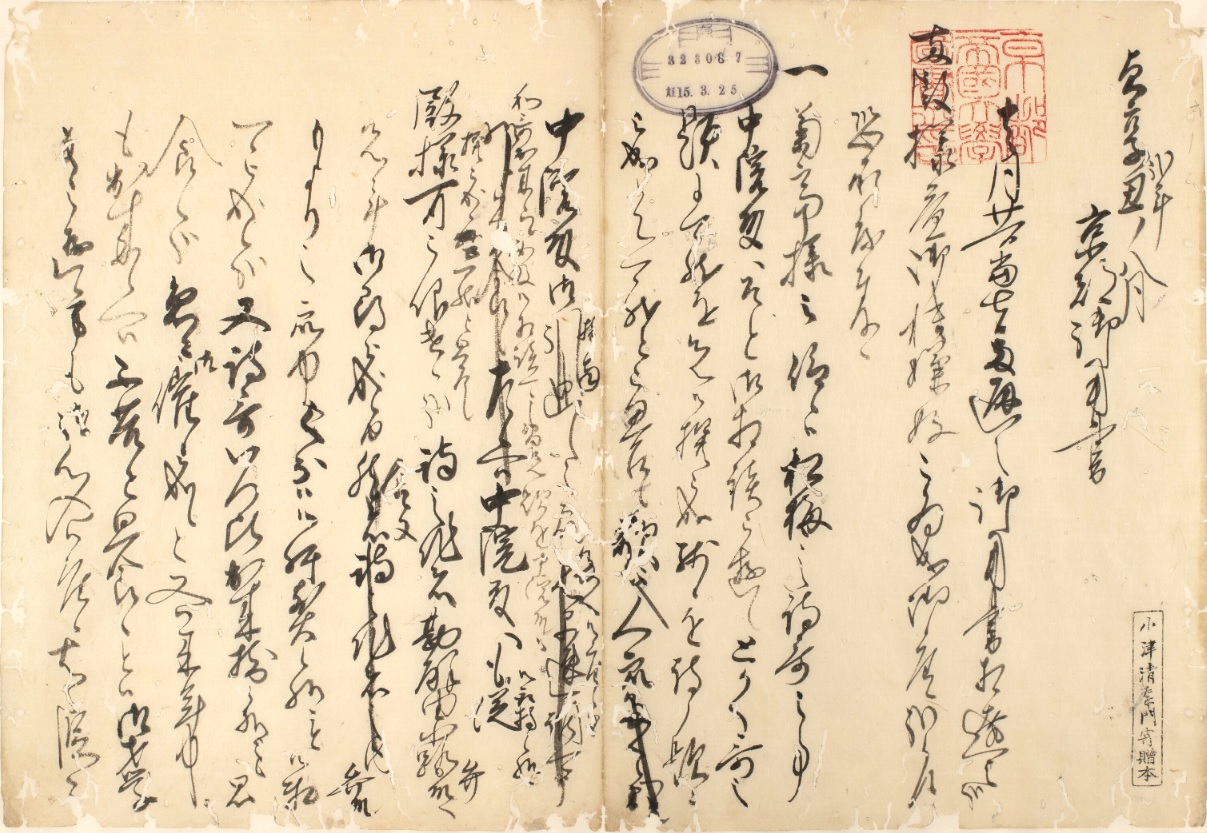
▼Important Cultural Property - Dainihonshi hensan kiroku (G.S. Letters)
Dainihonshi hensan kiroku (大日本史編纂記録) is a collection of more than 6,000 letters (copies) exchanged between Shokokan (彰考館; Mito Domain’s office for history compilation) in Mito (currently in Ibaraki Prefecture) and Edo (currently Tokyo) and their Kyoto office regarding the compilation of Dainihonshi (*1) by Tokugawa Mitsukuni (徳川光圀; 1628-1701). A total of 42,810 people and organizations and 15,159 historical records and literature works are mentioned in the letters and the content covers a wide range of aspects of the time, such as history, literature, Confucianism and Japanese classical literature, as well as the publishing culture during the Genroku Period, which makes this rare material a first-class historical record.
The rare material, before being restored, consisted of 248 volumes of about 10,000 sheets (one sheet folded in half to form a pouch makes two pages) in the form of fukuro-toji yotsume-toji (袋綴四つ目綴装) with sheets of papers folded at the fore edge and sewn at the back edge at four points. However, the rebinding and restoration done to the material during the Edo period were not appropriate to secure its long-term preservation; they also made it impossible to read the majority of the volumes without damaging them, because the text near the back edge was sewn inside the spine. Therefore, a restoration project was launched in academic year 2018, with a plan to restore first 20 volumes funded by the Sumitomo Foundation. The Graduate School of Letters has also set up Kyoto University Fund for the restoration of its library collection and the Kyoto University Museum acquired the university's special budget for this project in 2018.
Each volume of Dainihonshi hensan kiroku is to be released on the Internet through Kyoto University Rare Materials Digital Archive upon the completion of restoration and digitization processes. As of March 27, 2020, the Digital Archive provides 1,365,106 images of 17,638 titles.
[Library Network] Kyoto University Rare Materials Digital Archive: Physics textbook Dr. Hideki Yukawa used, “Water Margin” Takizawa Bakin read and book of aquatic life in Lake Biwa newly released
Four rare materials held by the Graduate School of Letters, Yukawa Institute for Theoretical Physics (YITP) and the Center for Ecological Research, Kyoto University (CER) have been newly digitized and released. The digitization has been realized thanks to the support from donors to Kyoto University Rare Materials Digital Archive Fund.
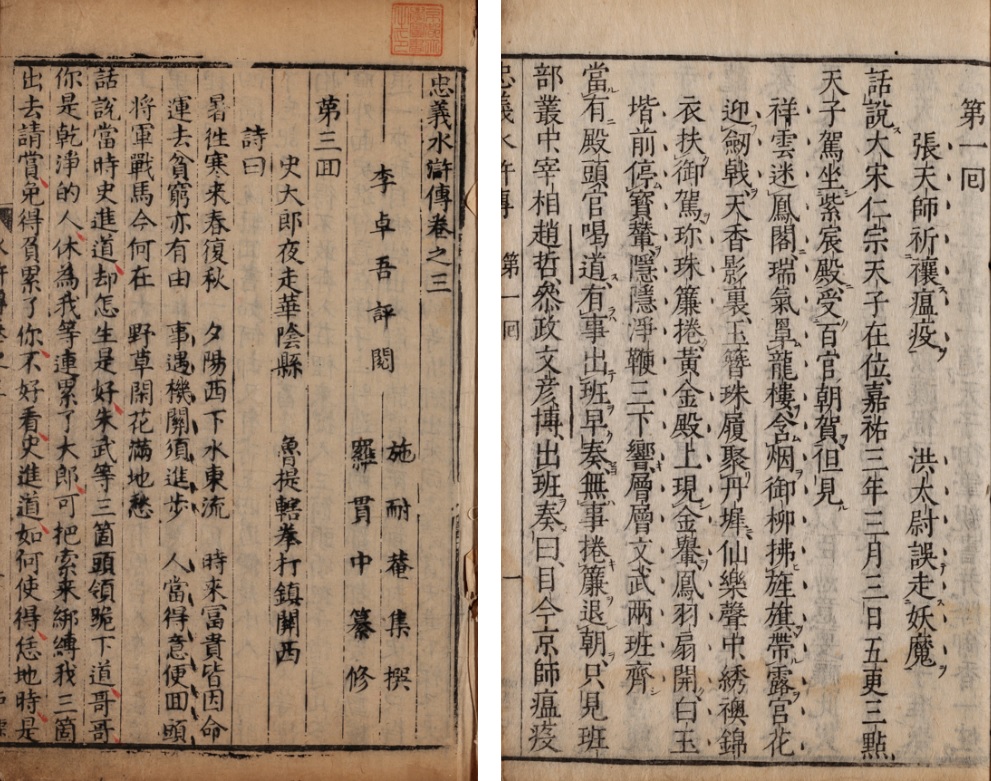
“李卓吾先生批點忠義水滸傳 10回 (存2回)” and “忠義水滸傳 100巻100回 (存98巻98回)” held by the Graduate School of Letters
[Water Margin (Chinese: 水滸傳; pinyin: Shuǐhǔ Zhuàn)]
These are the only copies that exist today other than the ones held by the National Library of China. Researchers presume that Takizawa Bakin, a Japanese writer of the early 19th century, read these exact copies.
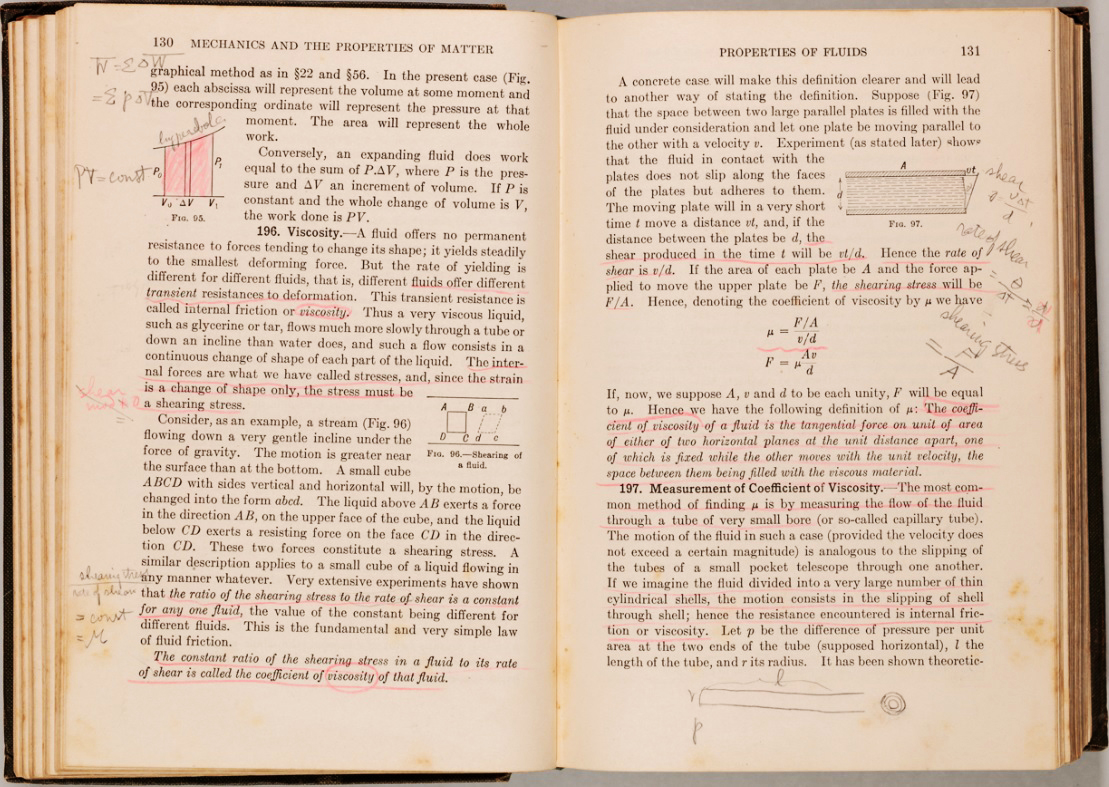
“A text-book of physics. 5th ed., rev. / edited by A. Wilmer Duff (Blakiston, 1921)” held by YITP
Dr. Hideki Yukawa, a Nobel Laureate in Physics in 1949, used this textbook when he was a student at the then Third High School (Daisan Koto Gakko) and kept it by his side even after he became a researcher. The book has many notes and annotations by his hand in the margin.
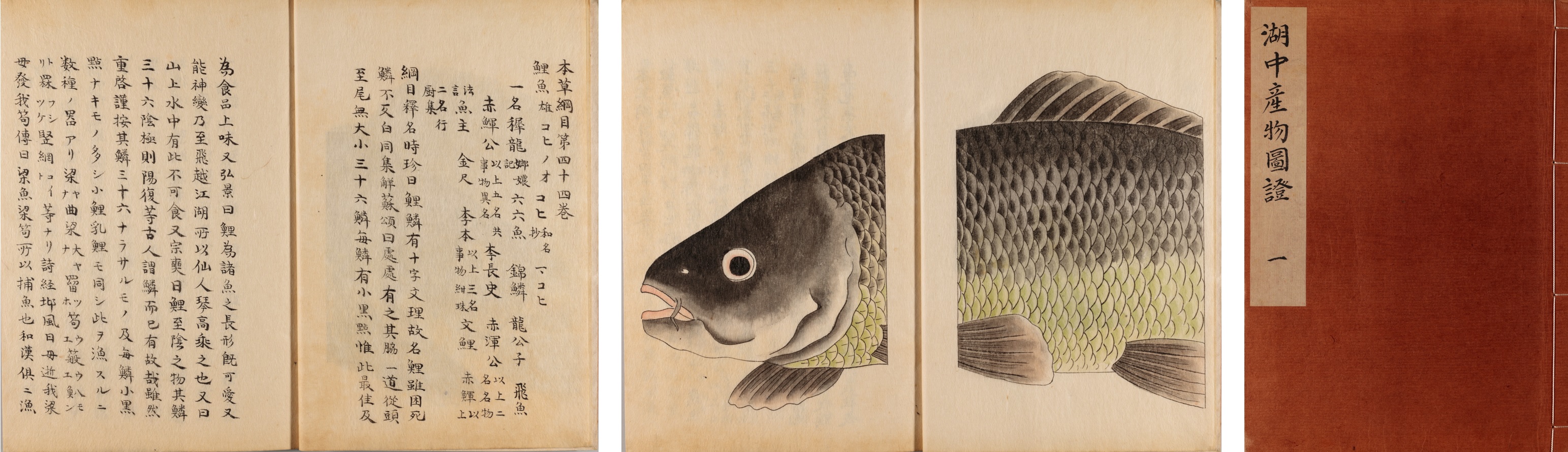
“湖中産物圖證” Kochu sanbutsu zusho held by CER
This book is vital in the research of the history of biology in Japan, because it is presumed to be the first illustrated book of aquatic life in Lake Biwa. It includes all the species of carps and crucians, as well as aquatic life other than fish and shellfish, such as an otter. Its beautiful colors are still vivid.