(日本語) 【附属図書館】5月1日(土)-5月5日(水)臨時休館のお知らせ
On 2021-04-30
(3588 reads)
[Library Network] Kyoto University Rare Materials Digital Archive: Images of 2,033 items from Fujikawa Collection were provided for the Database of Pre-Modern Japanese Works
On 2021-04-21
(3221 reads)
Images of 2,033 items from Fujikawa Collection held by Main Library were provided for the Database of Pre-Modern Japanese Works produced by the National Institute of Japanese Literature.
(Database of Pre-Modern Japanese Works)京都大学附属図書館 画像一覧 / Kyoto University Library List
Kyoto University is participating the “Project to Build an International Collaborative Research Network for Pre-modern Japanese Texts” by the National Institute of Japanese Literature. As a cooperation with the project, images and metadata were provided.
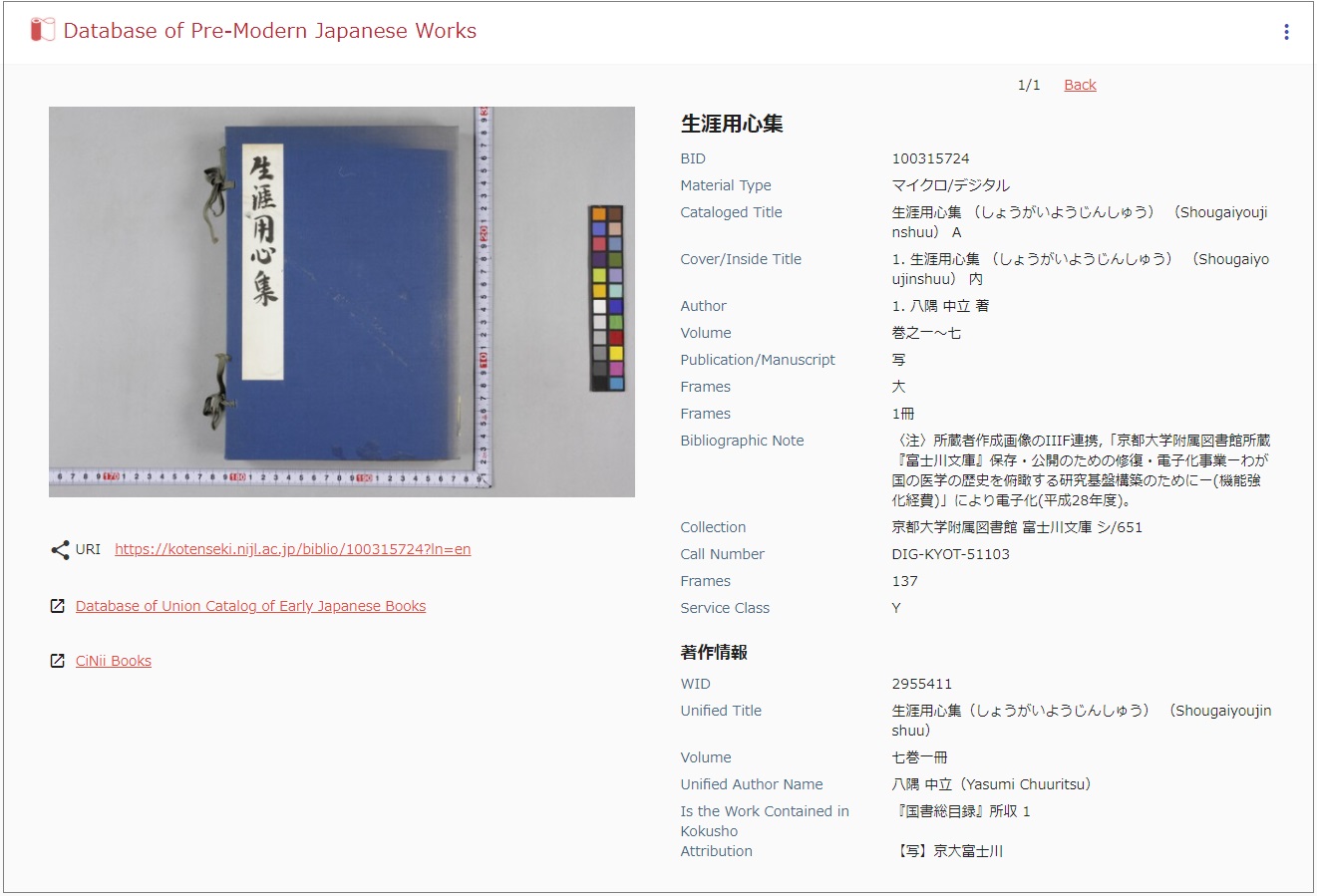
Database of Pre-Modern Japanese Works: metadata
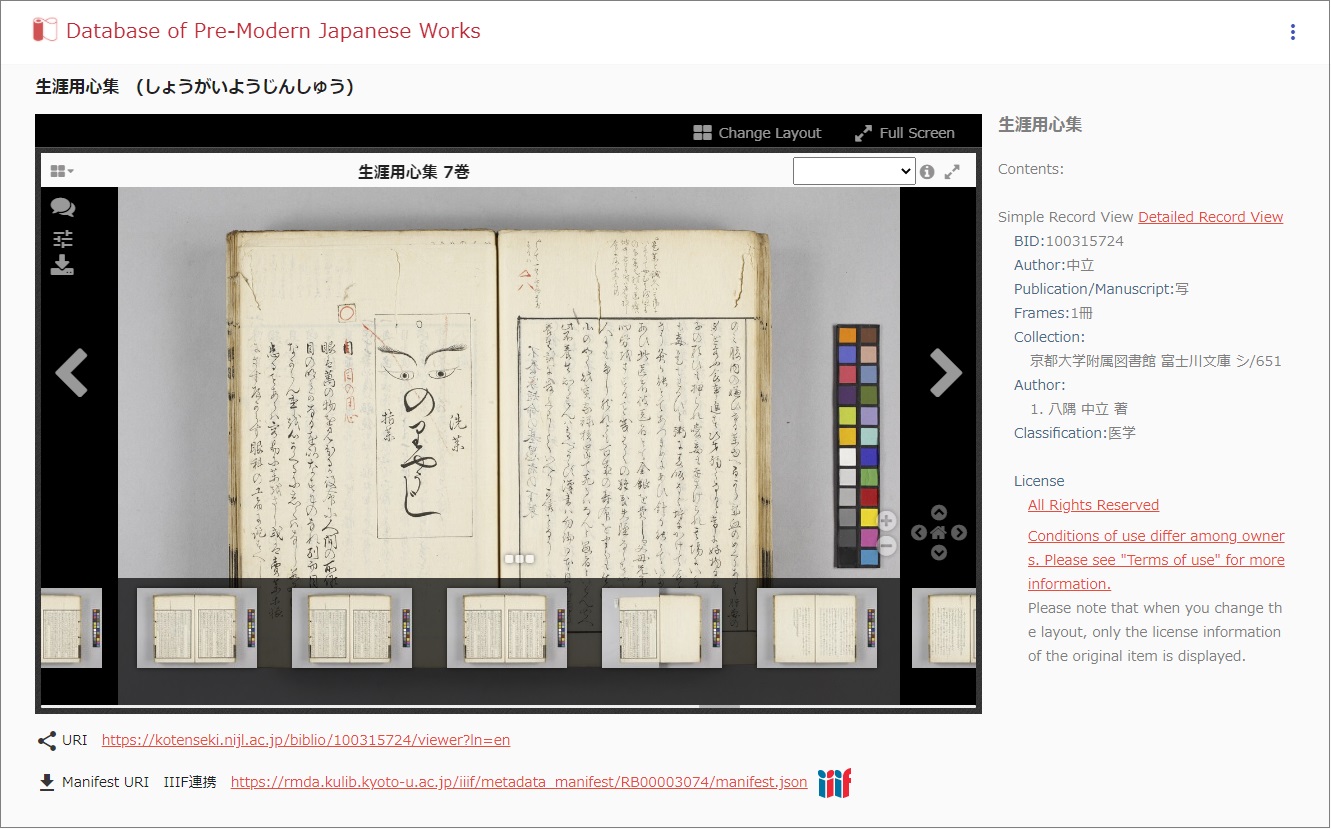
Database of Pre-Modern Japanese Works: viewer
(日本語) 【復旧しました】【図書館機構】問い合わせフォームが利用できません
On 2021-04-16
(2420 reads)
【Online Workshop】22nd, April 17:00- "Tips on Application for JSPS Research Fellowship for Young Scientists (DC)" - Learning Support Desk presents -
On 2021-04-14
(3467 reads)
[Main Library] Rare Materials exhibited outside Kyoto University during AY2020
On 2021-04-08
(3803 reads)
| Material | Institution | Exhibition | Period |
|---|---|---|---|
|
繪本玉藻譚 5巻(普通書)[BB03342012]
肥後国海中の怪 弘化3年(アマビエの図)[RB00000122] |
兵庫県立歴史博物館 | 令和2年度特別展「驚異と怪異―モンスターたちは告げる」 | 令和02年06月23日(火)-08月16日(日) |
| 水日記32巻・目録2巻 平松文庫 [RB00006834] | 佐賀県立博物館 | 佐賀県立博物館50周年特別展THIS IS SAGA -2つの海が世界とつなぎ、佐賀をつくった- | 令和02年09月18日(金)-11月03日(火) |
|
日本書紀(神代巻) 一般貴重書(和) [RB00013275]
釈日本紀 清家文庫 [RB00008377] 日本書紀神代巻抄 清家文庫 [RB00008003] 日本書紀通証 清家文庫 [RB00008570] 令集解 菊亭 [BB04091372] |
奈良県立万葉文化館 | 令和2年万葉文化館特別展 マンガで語る古代大和III | 令和02年10月03日(土)-11月29日(日) |
|
太閤記 巻七(宝永七年)[BB08795477]
太閤記 巻七(大惣本、万治四年)[BB08701277] |
今日庵 茶道総合資料館 | 令和2年度秋季特別展 北野大茶湯 | 令和02年10月06日(火)-12月03日(木) |